Superb hospitality!
Best stay ever! We stayed here for 2 nights with
our 3 year old son in Apr-May 2023. The resort is
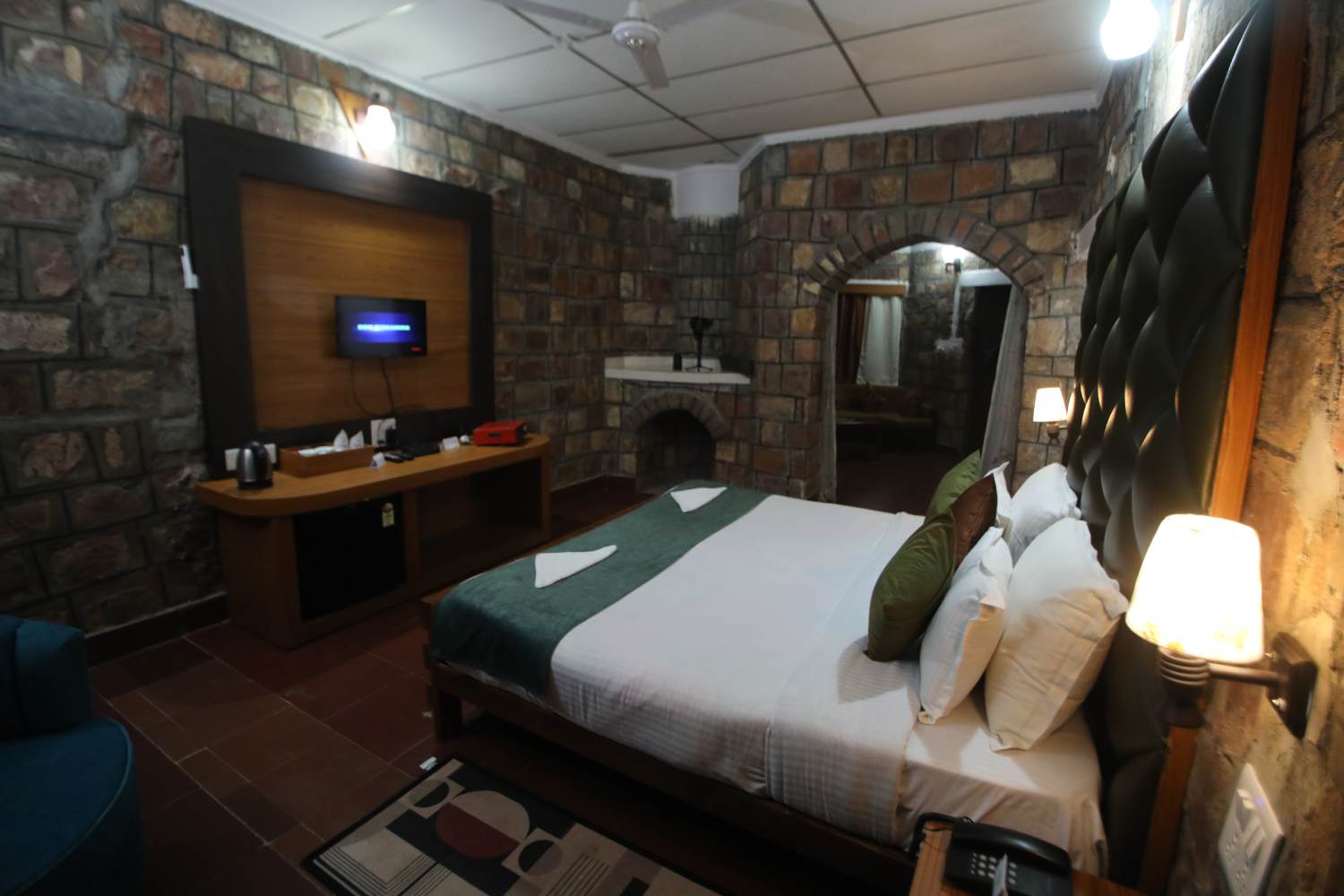
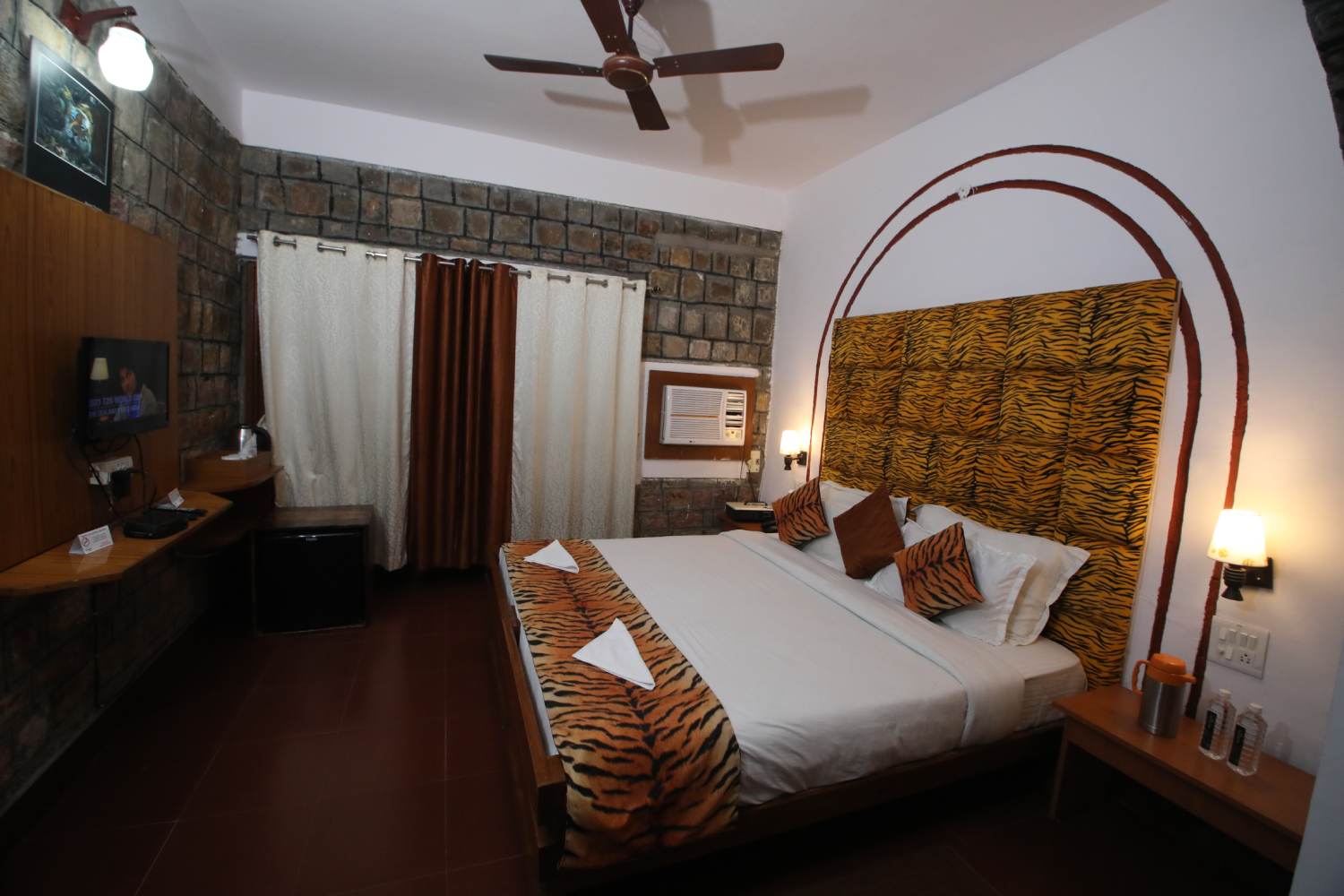
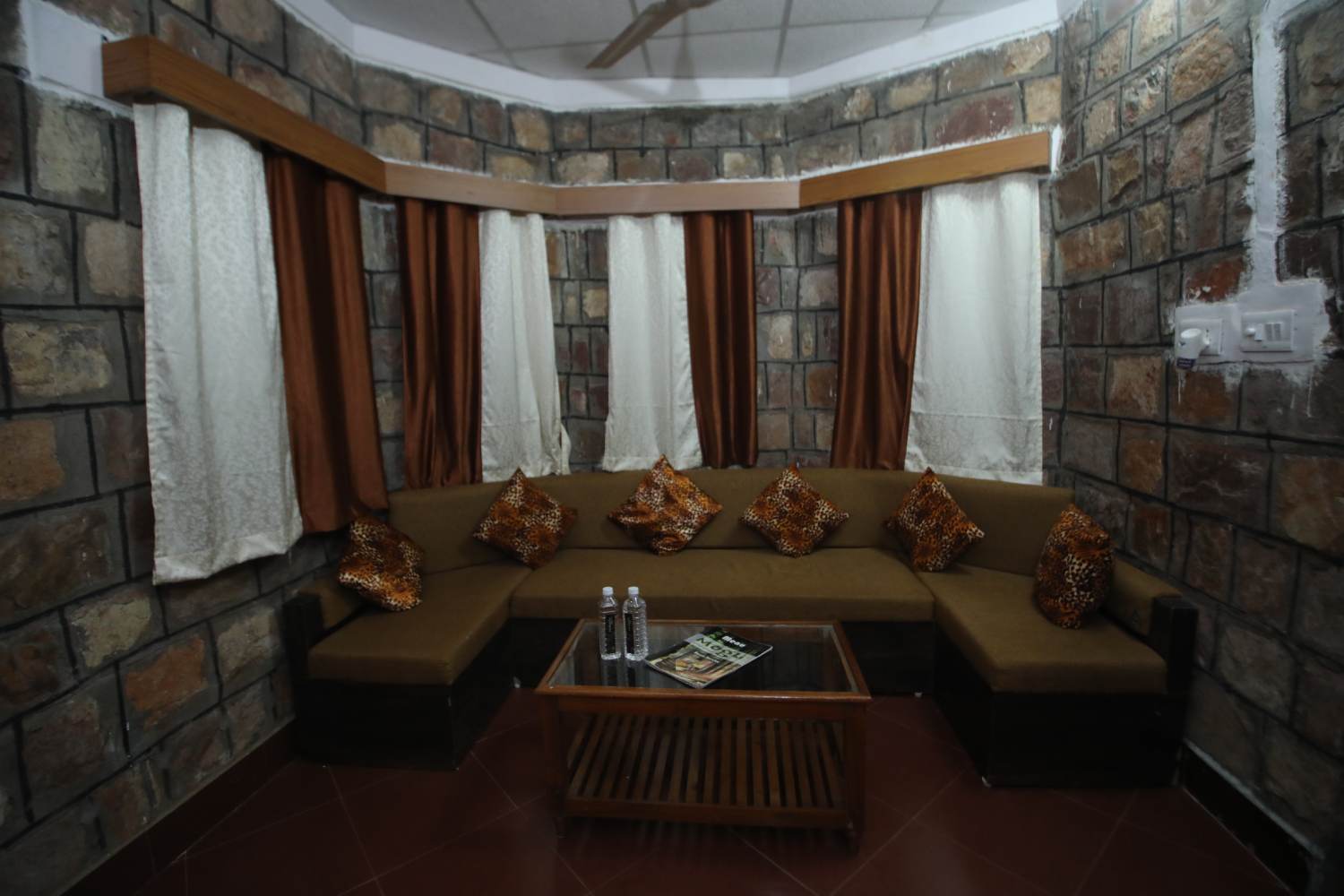
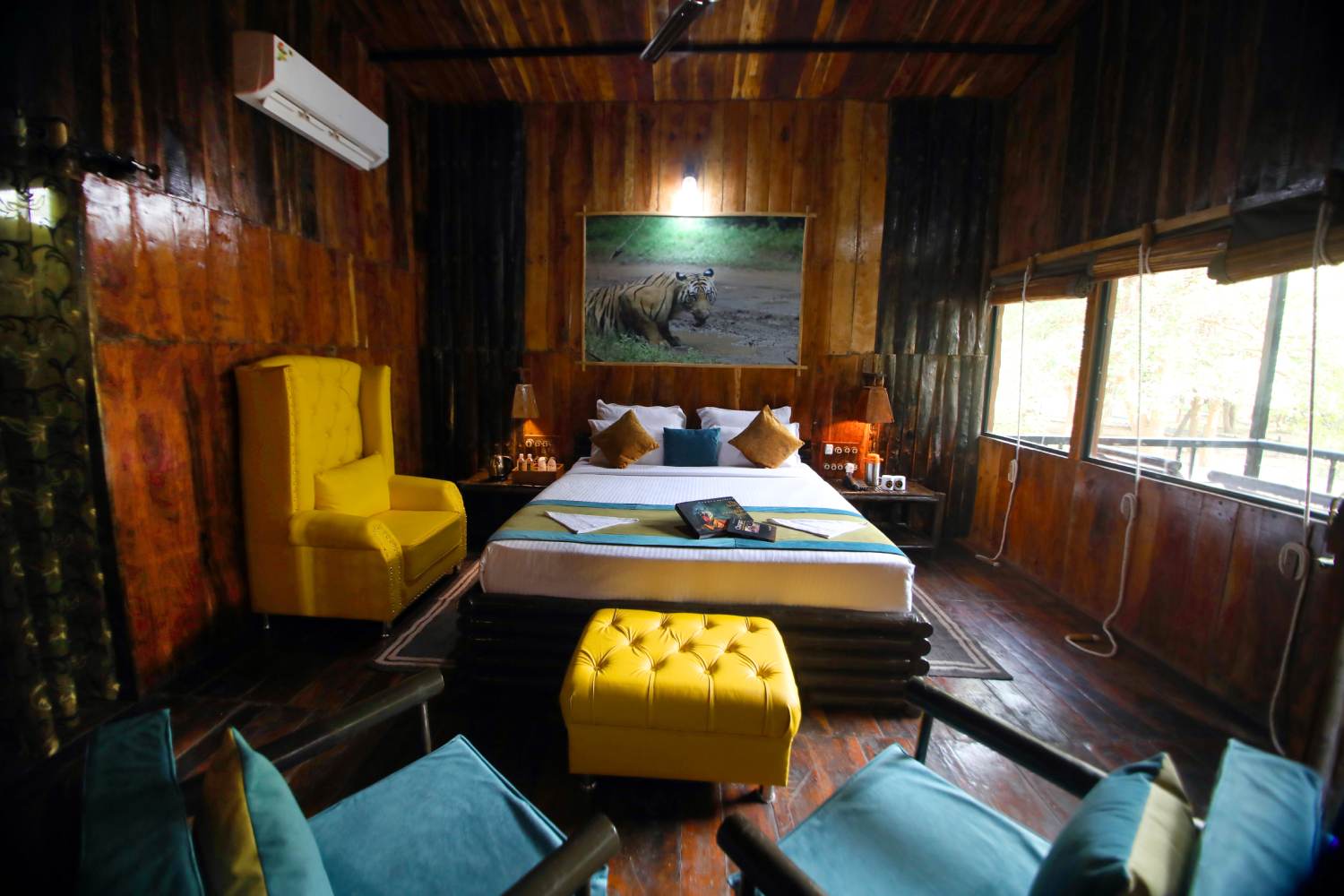
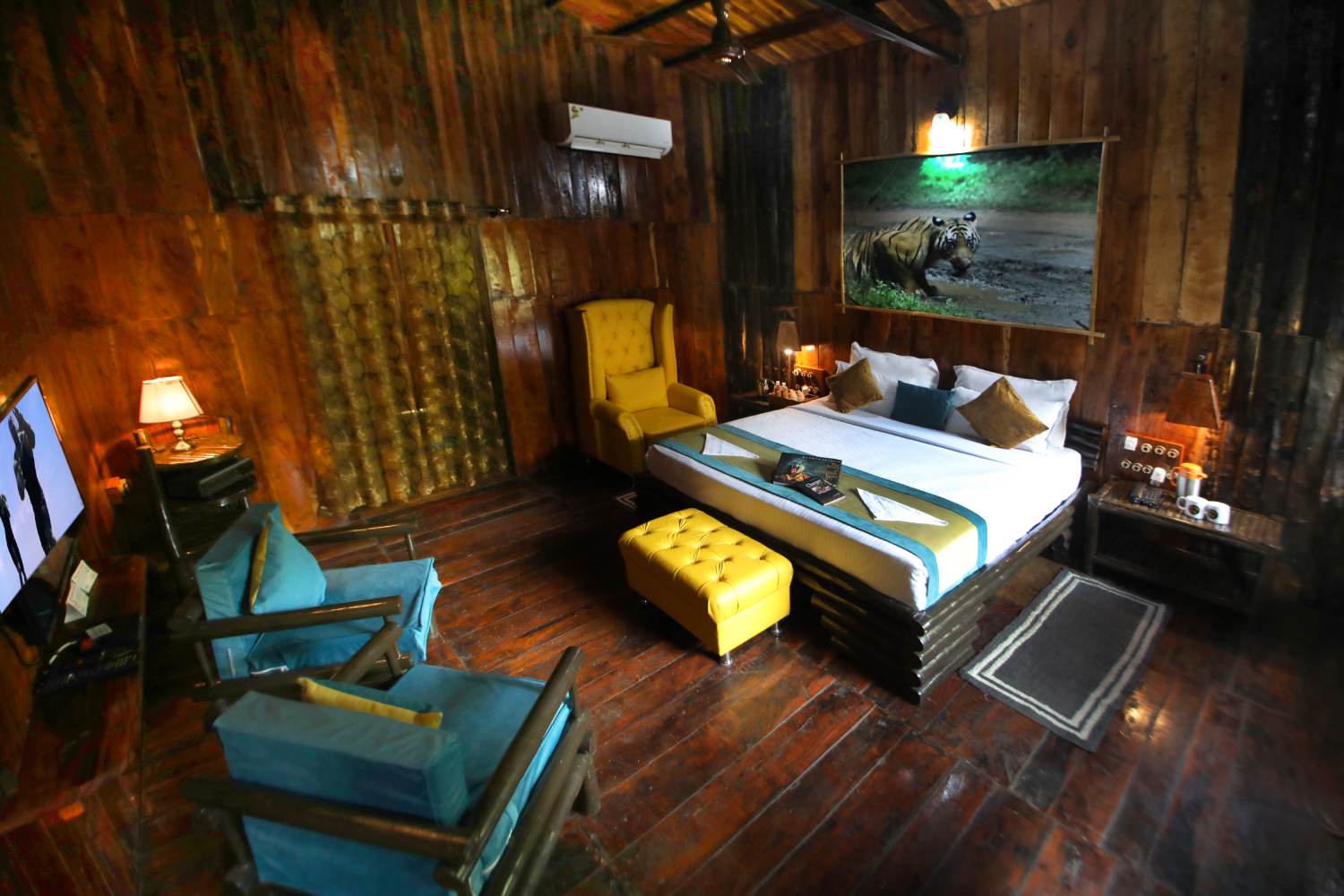
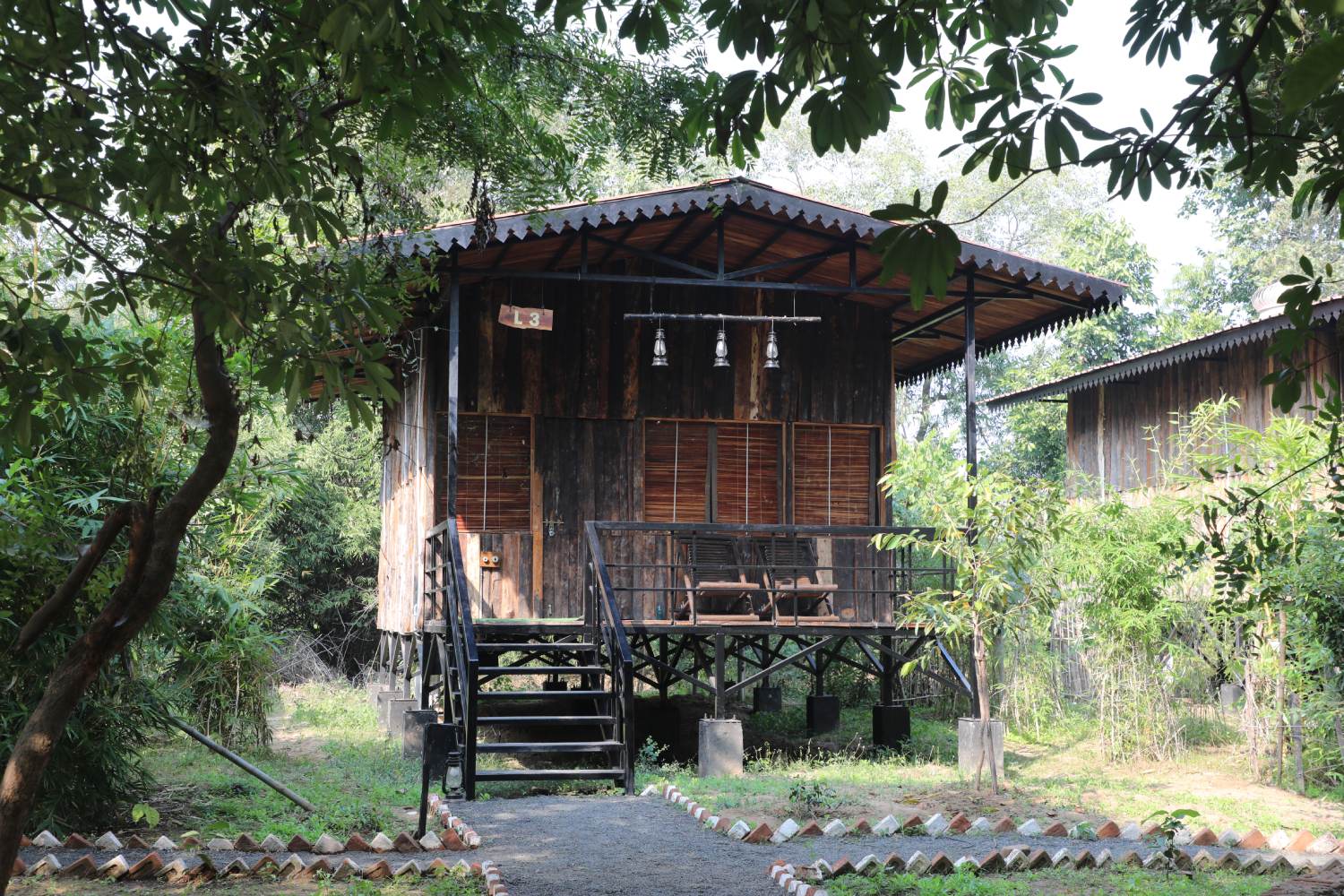
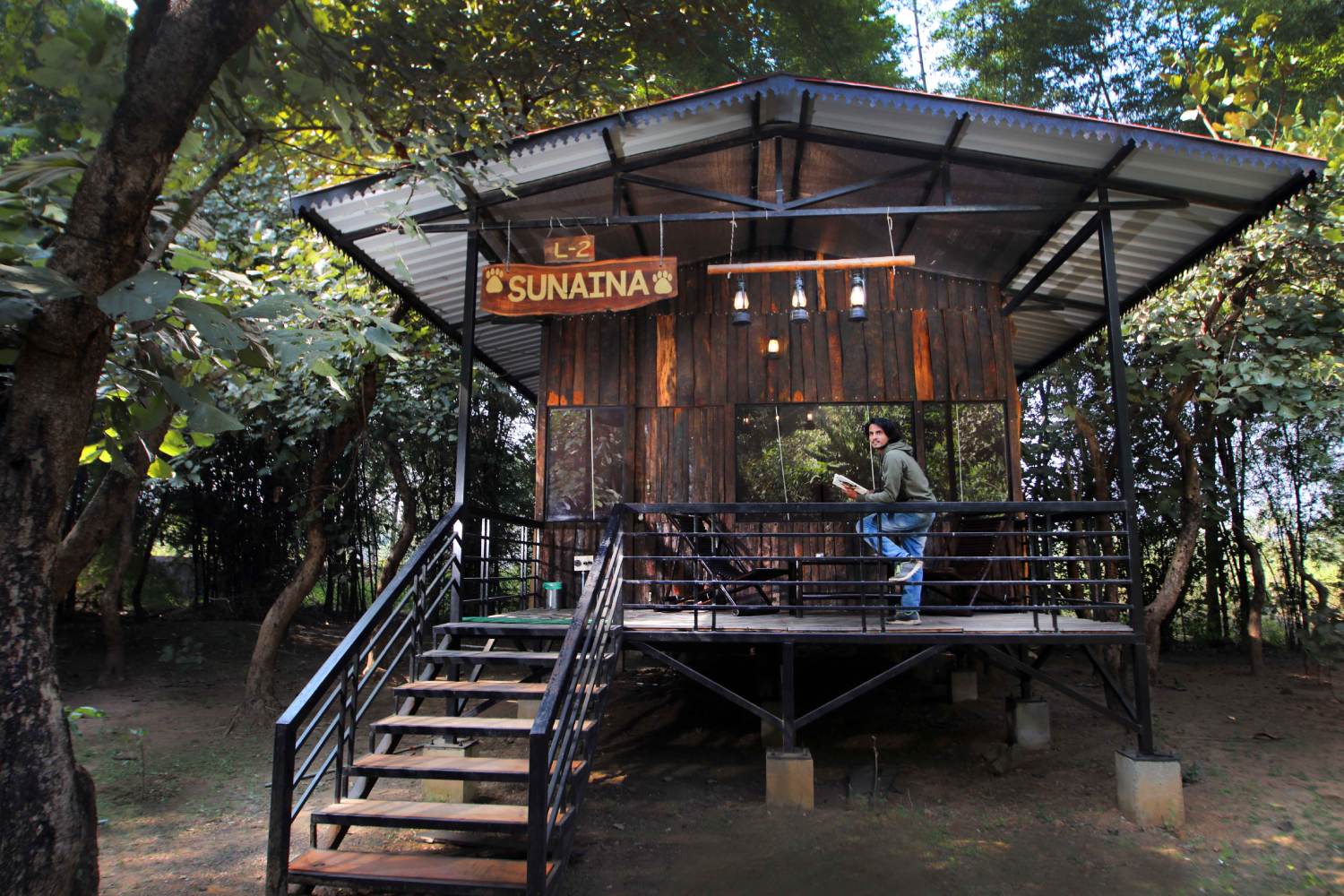
beautifully designed with Clean and comfortable
rooms, play areas, food is good, and boy they
mean it when they say kamaal ki hospitality! From
suggesting which zone to go to based on the
latest sightings, to arranging conveyance,
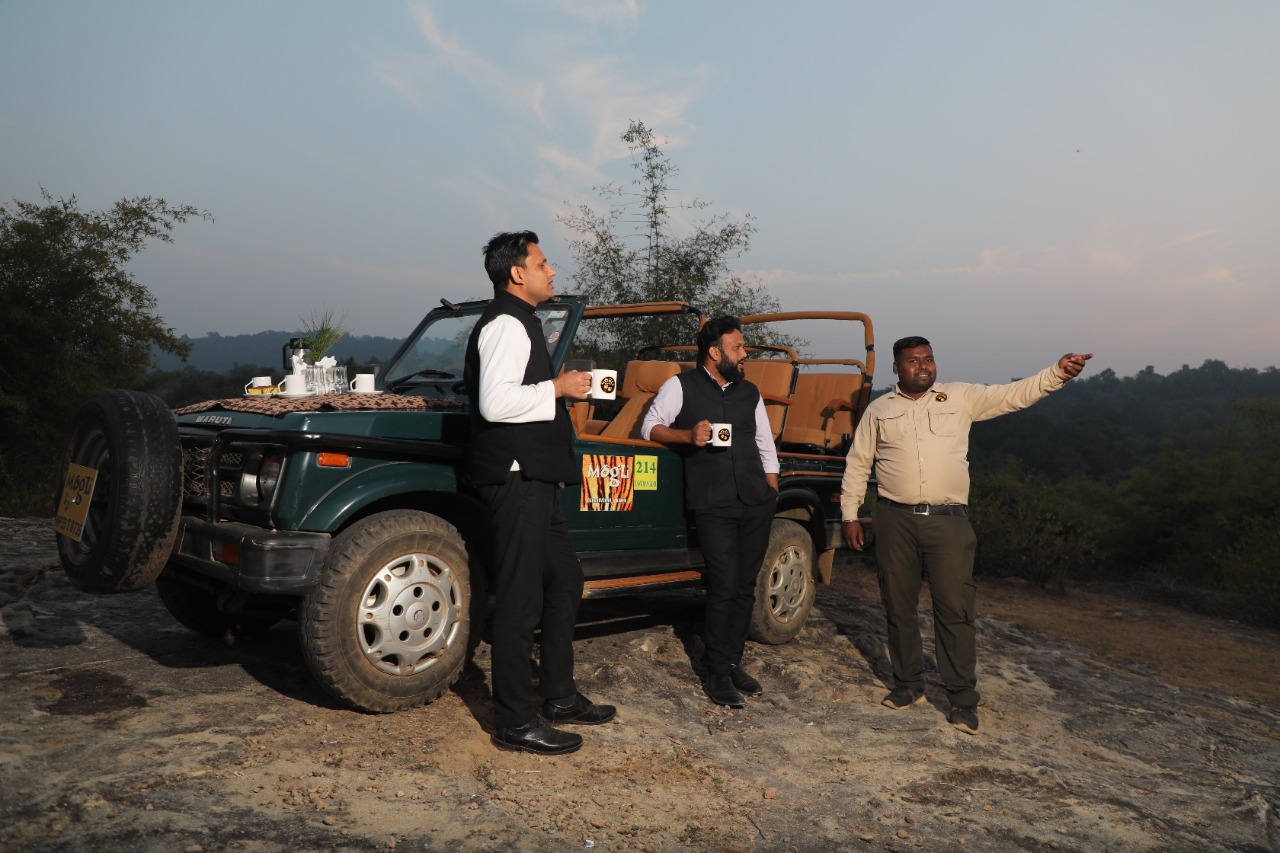
packing food at 5 am for the morning Safari,
swimming pool facilities, to even suggesting
which place to order food from when boarding a
train from Umaria! You can see they care in the
smallest of details. Would recommend Mogli
resort to anybody visiting Bandhavgarh.
Amazing experience in the jungle, safari
and relax
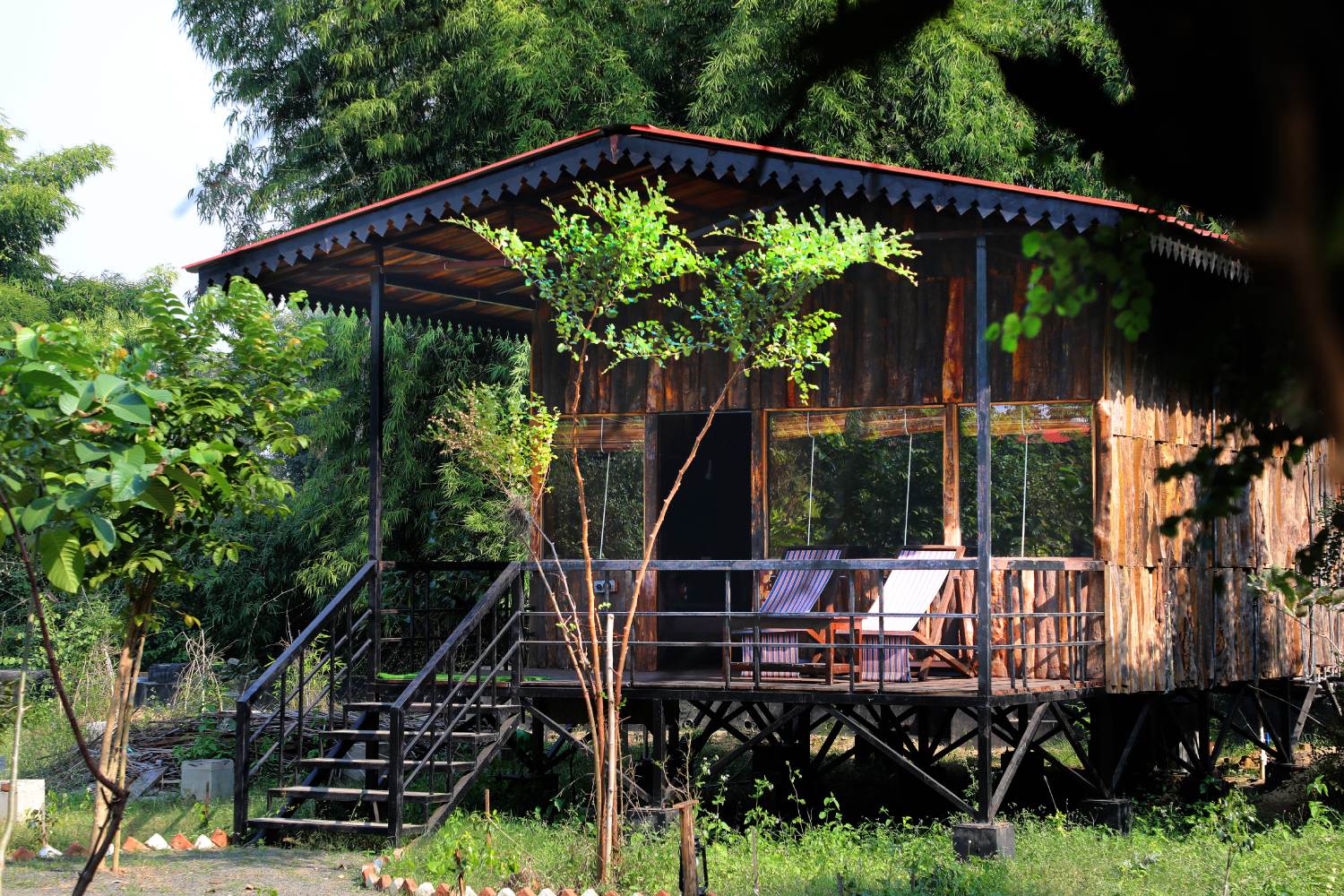
Was really great to stay in the jungle, the cottage
are confortables and there is many space. All
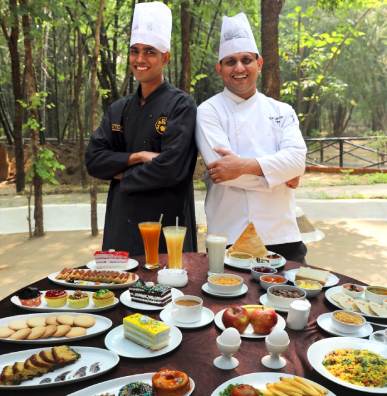
staff very kind and friendly, and the food in the
restaurant very tasty. All staff helped us, even
explaining haw to eat and what choose. A very
amazing experience, if you like safari and relax in
the evening in the swimming pool. Very good
place for family
A genuine Indian safari
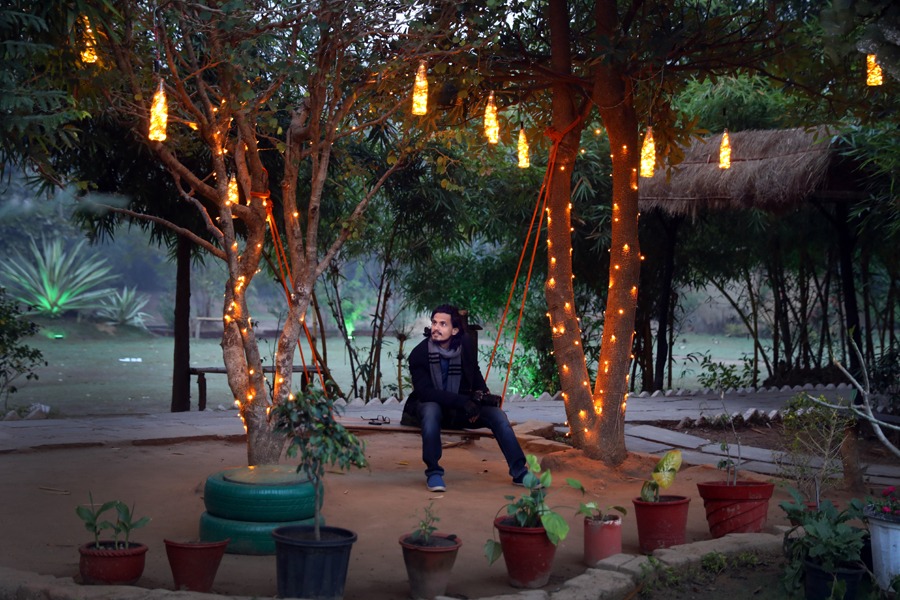
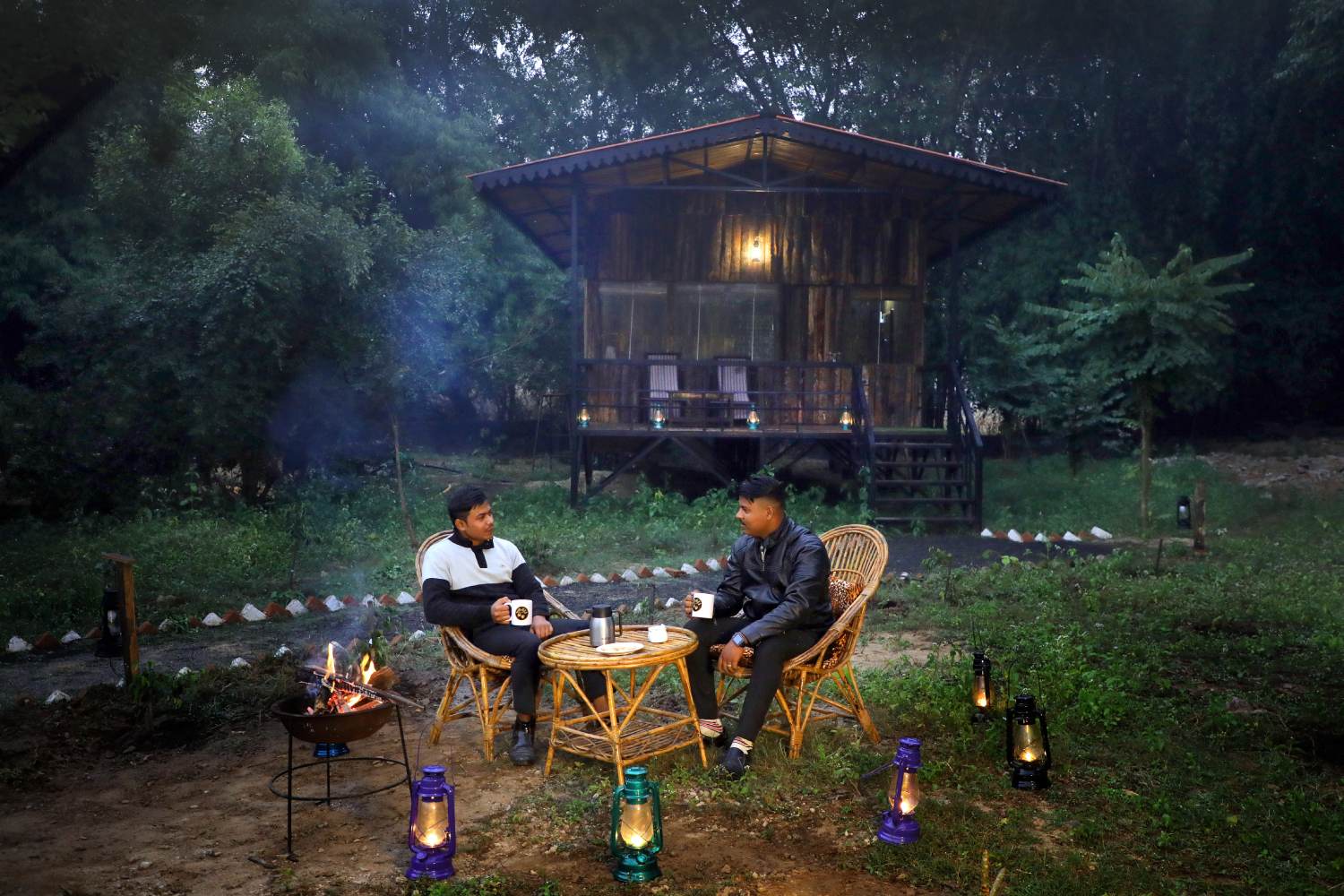
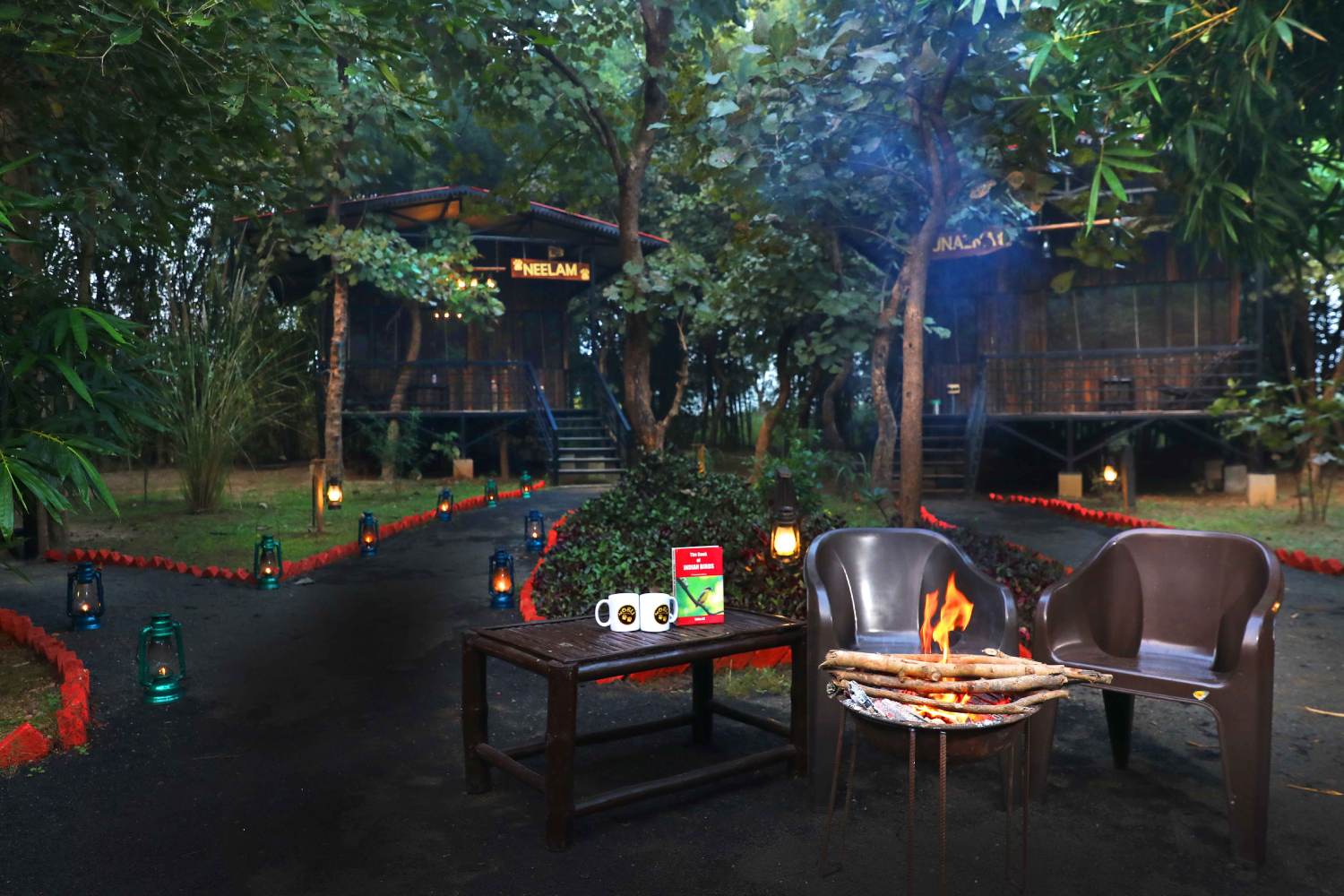
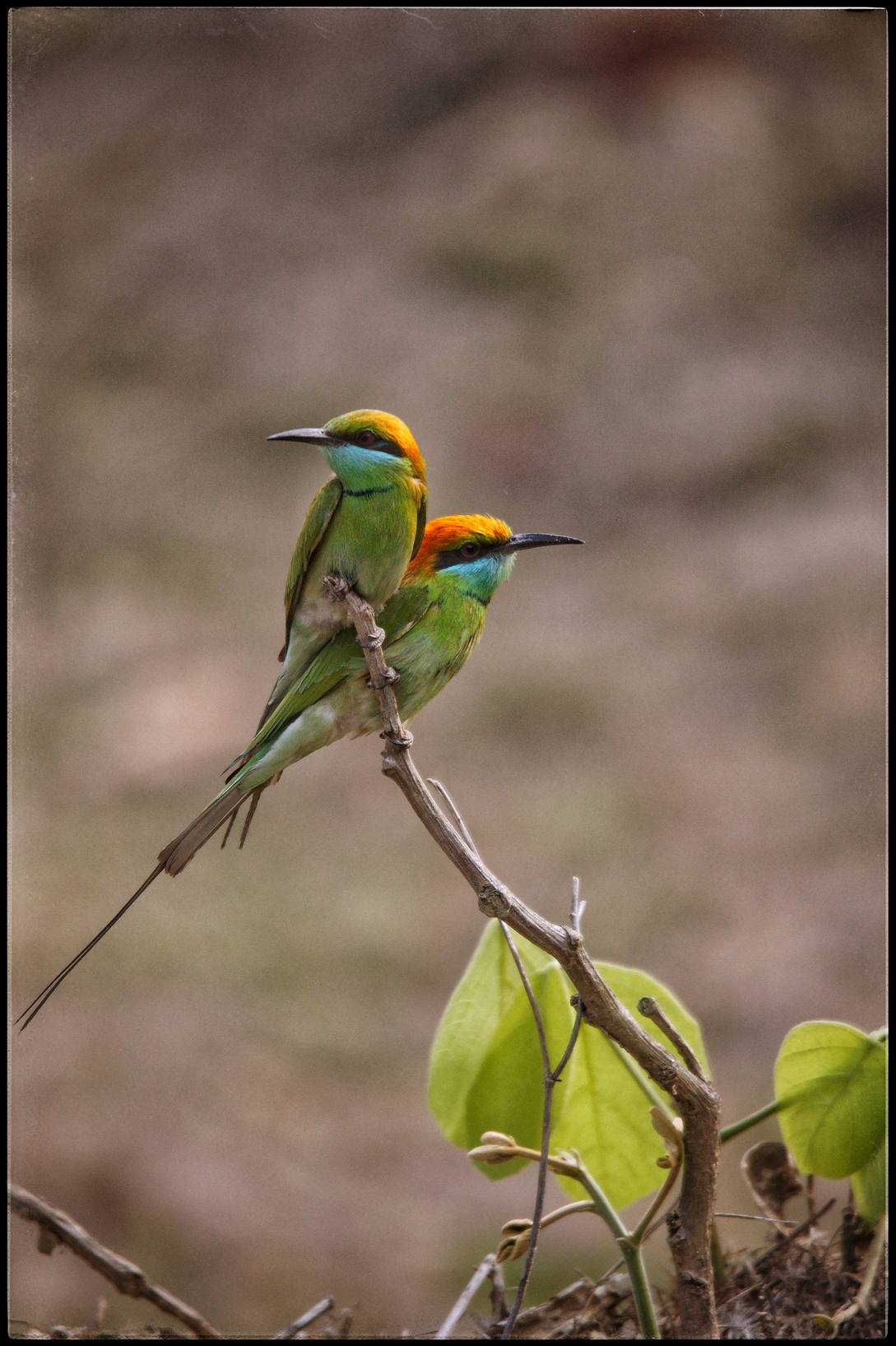
We've been on many African safaris, we really like this place due to the Indian touch. Nice stay in stone cottage, surrounded by beautiful
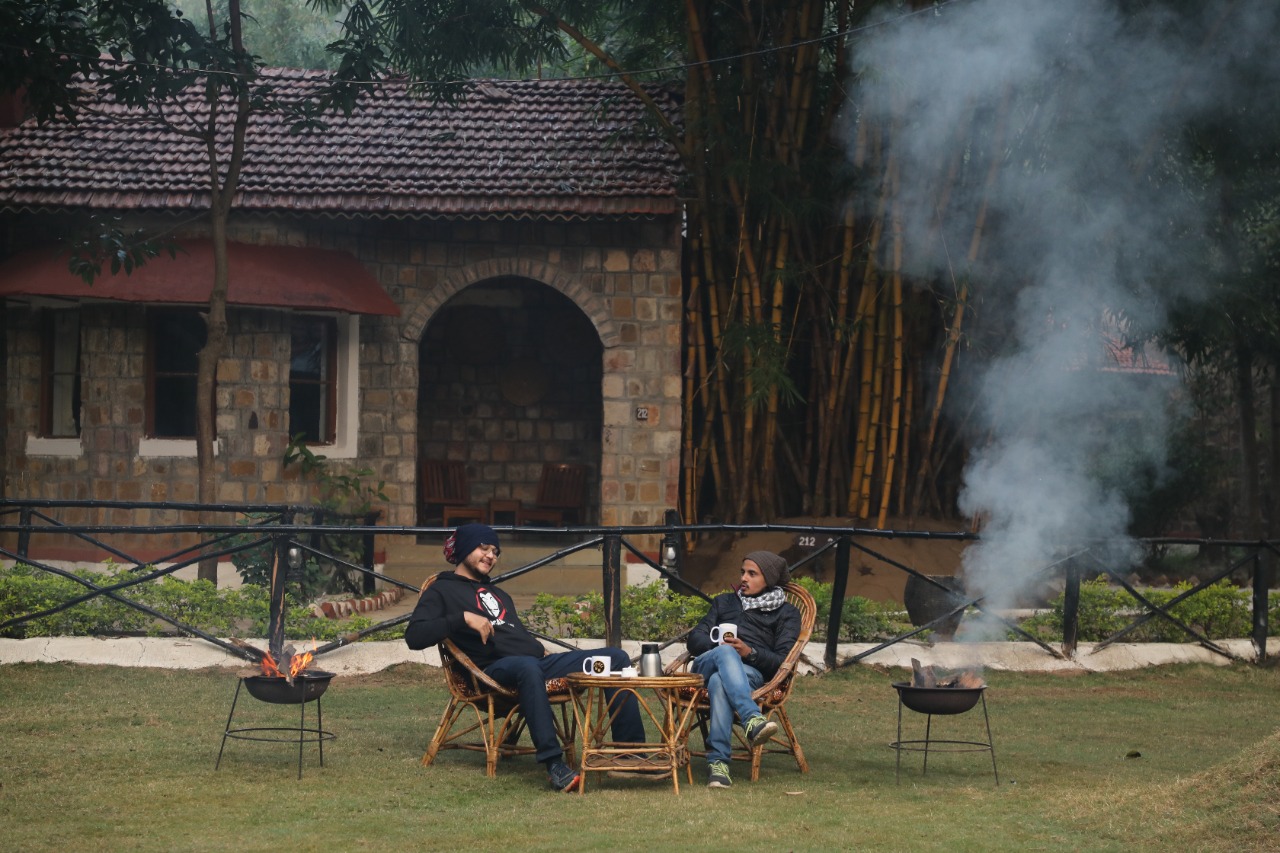
garden with birds and monkeys. 6ft bed maybe short for some, solution provided. Buffet was great Indian culinary safari! Afternoon tea (chai with cumin cookies and Indian snacks) under the trees was like going back in time. Remember to ask for black tea/coffee if you don't want milk and sugar in your tea/coffee. The best part was the friendly and accommodating staff. They supported with organising a tiger safari and were very helpful in making sure our stay was enjoyable.
Great place for Tiger Safari.
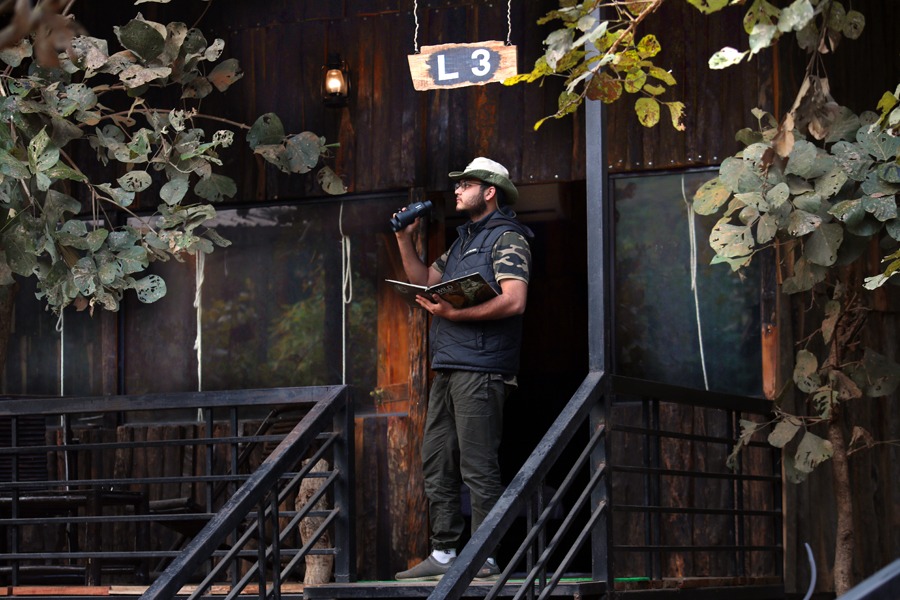
Booked through travel agent. Basically it is an almost 5 star facility located in the middle of a Sal jungle and bamboo groves, with top class rooms and services. Excellent place for a leisurely morning walk. Wheelchair access available only on the internal roads. Plenty of parking space available among the trees. Packed breakfast provided during Safari was sumptuous and excellent. The whole place has well set up and streamlined Standard Operating Protocol for facilitating tourists/guests, all of whom come here for jungle safari only. Food and service in restaurant is faultless. Such helpful staff are difficult to come by anywhere.
Great place for Tiger Safari.
Booked through travel agent. Basically it is an almost 5 star facility located in the middle of a Sal jungle and bamboo groves, with top class rooms and services. Excellent place for a leisurely morning walk. Wheelchair access available only on the internal roads. Plenty of parking space available among the trees. Packed breakfast provided during Safari was sumptuous and excellent. The whole place has well set up and streamlined Standard Operating Protocol for facilitating tourists/guests, all of whom come here for jungle safari only. Food and service in restaurant is faultless. Such helpful staff are difficult to come by anywhere. The swimming pool is large and quite popular with adults and children, although I am not very sure about its hygiene standards. Highly
recommended in any case..
Amazing experience in the jungle, safari
and relax
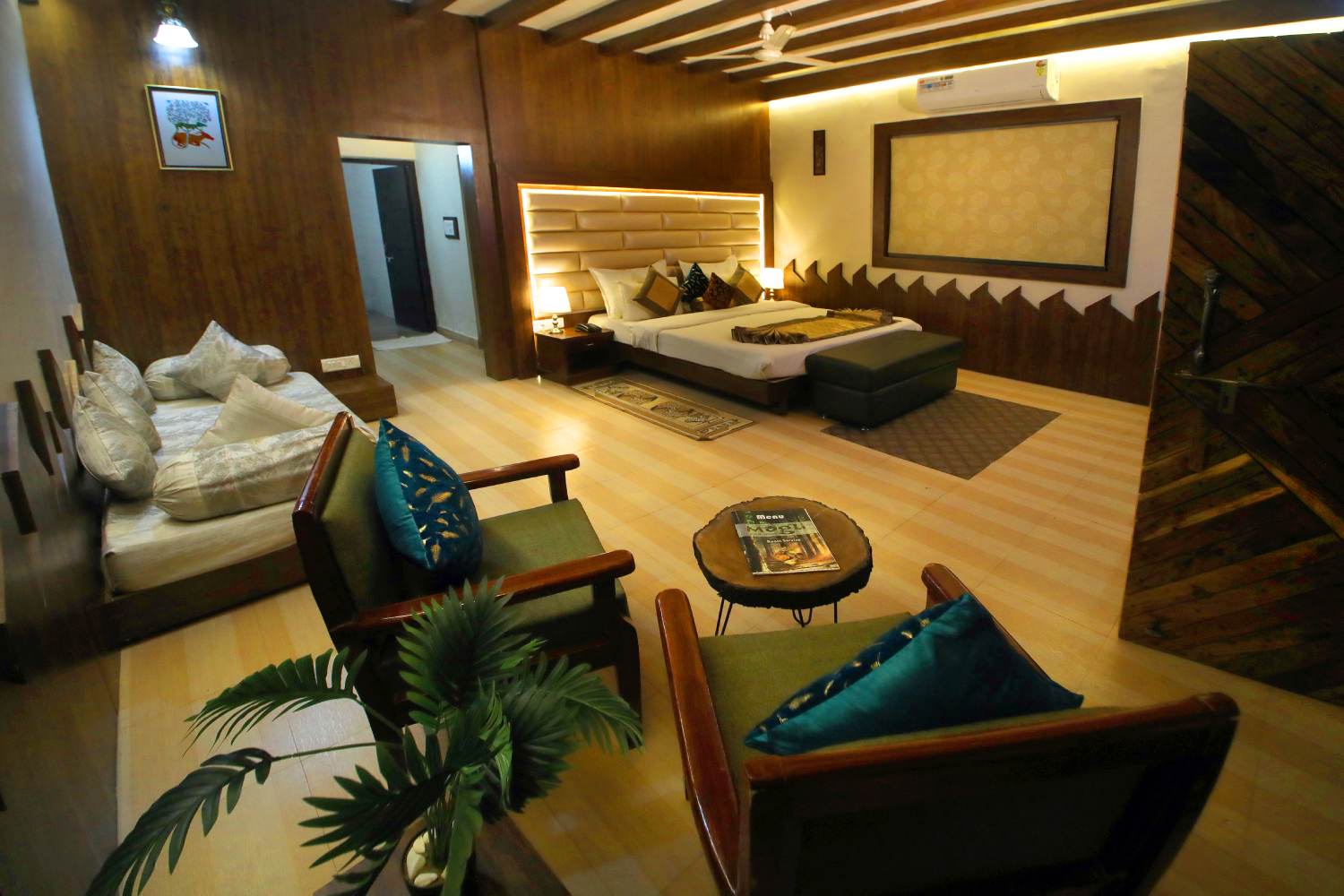
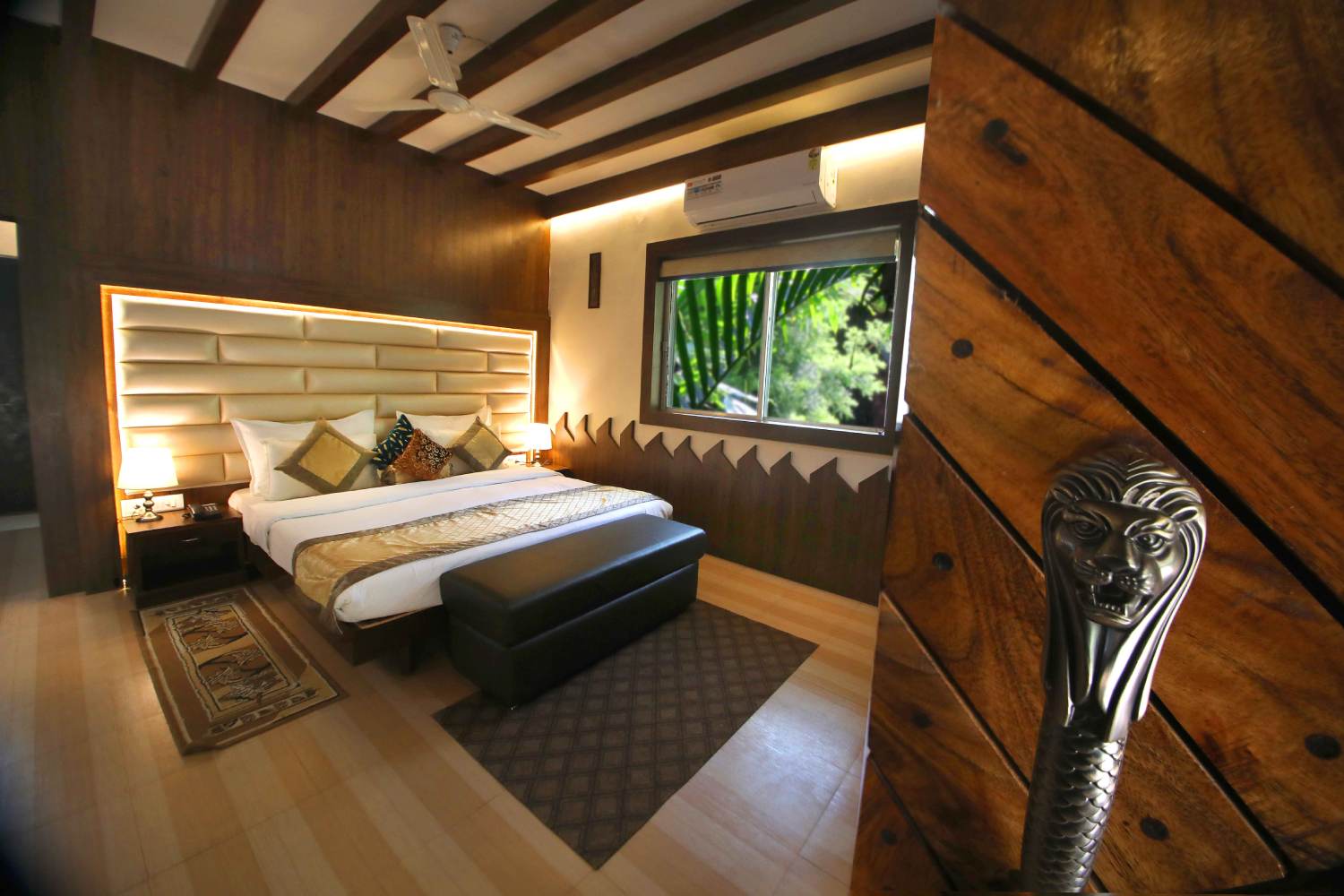
This was a great place to enjoy a safari experience! The accommodations were tastefully done and we enjoyed the excellent array of North Indian cuisine that was provided. The staff were kind, gracious and worked hard to make sure all of our needs were met. We
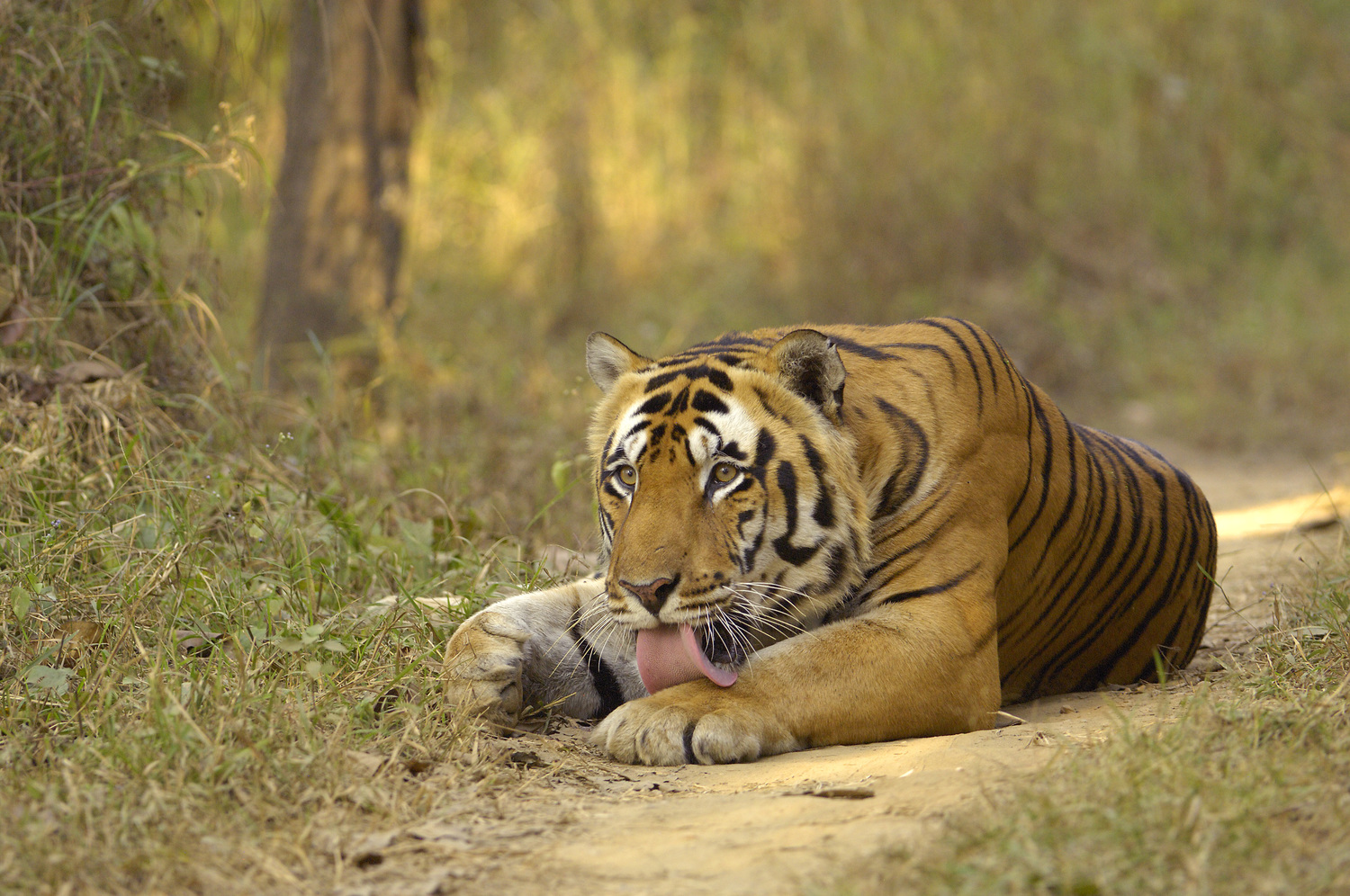
especially appreciated our resort host, Uttam, who was so attentive throughout our stay, especially with our safari arrangements. [Thank you!] Best of all was seeing tigers & hearing them roar in the Kanha National Park!
Calm Kanha in low season
Spent 2 nights at Mogli during low season Mid July. Had a really relaxed time and took the chance to calm down and enjoy nature 100%. Safari, nature walk, local food, lots of wild animals around and a great way to understand the local wildlife through guides and activities. Uttam made our stay extra pleasant and supported us in any way possible. Our room had a private Jacuzzi inside which was a surprising highlight on top of the wonderful facilities in the resort. Will be back!
definitely recommend here
This resort is amazing. The bed room is to die for!! uttam and all the team were very helpful, make sure your ok and get you anything you need. we done the morning and afternoon safari. i will definitely be back here.
Great Resort near Bandhavgarh
After a long flight, a hectic day in Dehli and an interesting overnight train trip, we welcomed the peace and serenity we found at the Mogli Jungle Resort. The staff take customer satisfaction to a new level - they go above and beyond to ensure your every need is met. Without question, they are the most pleasant and accommodating hotel staff I have ever encountered. The room was lovely and the food was outstanding.